
Essentials kitchen cleaner guide for grease, food prep areas, and everyday surfaces
What an essentials kitchen cleaner should do
An essentials kitchen cleaner has to deal with the messes that show up in a working kitchen: food splatter, cooking grease, sticky residues, fingerprints, and soil on hard surfaces. It also needs to match the surface, the type of soil, and the level of hygiene the situation actually calls for. In most daily cleaning, the goal is to remove dirt and residue. Sanitizing or disinfecting is a separate step, used for specific risks such as raw meat preparation or illness in the home.
That distinction matters because shoppers often use the terms “cleaner,” “sanitizer,” and “disinfectant” as if they mean the same thing. Public guidance from the CDC, EPA, USDA, and cleaning industry organizations treats them differently. A cleaner removes visible soil and helps lift grease. A sanitizer reduces certain microorganisms to a safer level on surfaces when used as directed. A disinfectant is registered to kill specified microorganisms on hard, nonporous surfaces, but only when the label directions, contact time, and surface instructions are followed.
For readers comparing products across household essentials, the practical question is not which bottle looks strongest. It is whether the formula, format, and instructions fit real kitchen use.
Cleaning, sanitizing, and disinfecting are not the same task
The best starting point is a clear job definition. In kitchen care, “clean” usually means removing food residue, oils, dust, and visible grime from a surface. The American Cleaning Institute explains that surfactants are central to many cleaning formulas because they help loosen soil so it can be wiped or rinsed away. Solvents may also be used in hard-surface cleaners to help dissolve greasy or oily soils.
Sanitizing and disinfecting go further, but they are not automatic upgrades for every situation. CDC guidance for homes notes that routine sanitizing or disinfecting is generally not needed unless someone is sick or there is a higher risk of spreading illness. The point is not that hygiene is optional. It is that the product should match the task: a degreasing cleaner for stovetop film, a food-contact-safe sanitizer where appropriate, or an EPA-registered disinfectant when the goal is pathogen reduction on hard, nonporous surfaces.
| Task | Main purpose | Typical kitchen use | Important limitation |
|---|---|---|---|
| Cleaning | Removes soil, food residue, grease, and visible dirt | Counters, cabinet fronts, appliance exteriors, sinks, tables | Does not necessarily sanitize or disinfect |
| Sanitizing | Reduces certain microorganisms to a safer level | Food-prep areas, cutting boards, some washable tools when the label allows | Requires the correct product, dilution, and contact time |
| Disinfecting | Kills specified microorganisms on hard, nonporous surfaces | High-touch areas or surfaces after illness exposure | EPA-registered disinfectants must be used exactly as directed |
For consumers, the takeaway is straightforward: do not rely on front-label claims alone. The back label and use directions explain what the product is designed to do and where its limits are.
The main surfaces an everyday kitchen cleaner needs to cover
Kitchens bring several materials into a small area. One all-purpose spray may work well on many sealed hard surfaces, but it may not be right for every countertop, appliance finish, or food-contact surface. A practical essentials kitchen cleaner routine starts with surface compatibility, then considers cleaning strength.
Counters and food preparation areas
Countertops collect crumbs, oils, liquids, and residue from packaging, produce, and cookware. For daily cleaning, a mild hard-surface cleaner or soapy water can be enough when the surface is compatible. After handling raw meat, poultry, seafood, or eggs, USDA food safety guidance emphasizes washing hands, utensils, cutting boards, and counters to reduce cross-contamination risk. If a sanitizer or disinfectant is used on a food-contact surface, the label should clearly state that it is suitable for that use and explain whether rinsing is required afterward.
Sinks, faucets, and drain-adjacent areas
The sink is both a cleaning station and a collection point for food particles. A kitchen cleaner used around sinks should cut through soap film, grease, and residue without damaging stainless steel, sealed stone, or coated fixtures. Abrasive powders and acidic cleaners can be useful in some situations, but they may scratch or dull surfaces if used on the wrong material.
Stovetops, backsplashes, and appliance exteriors
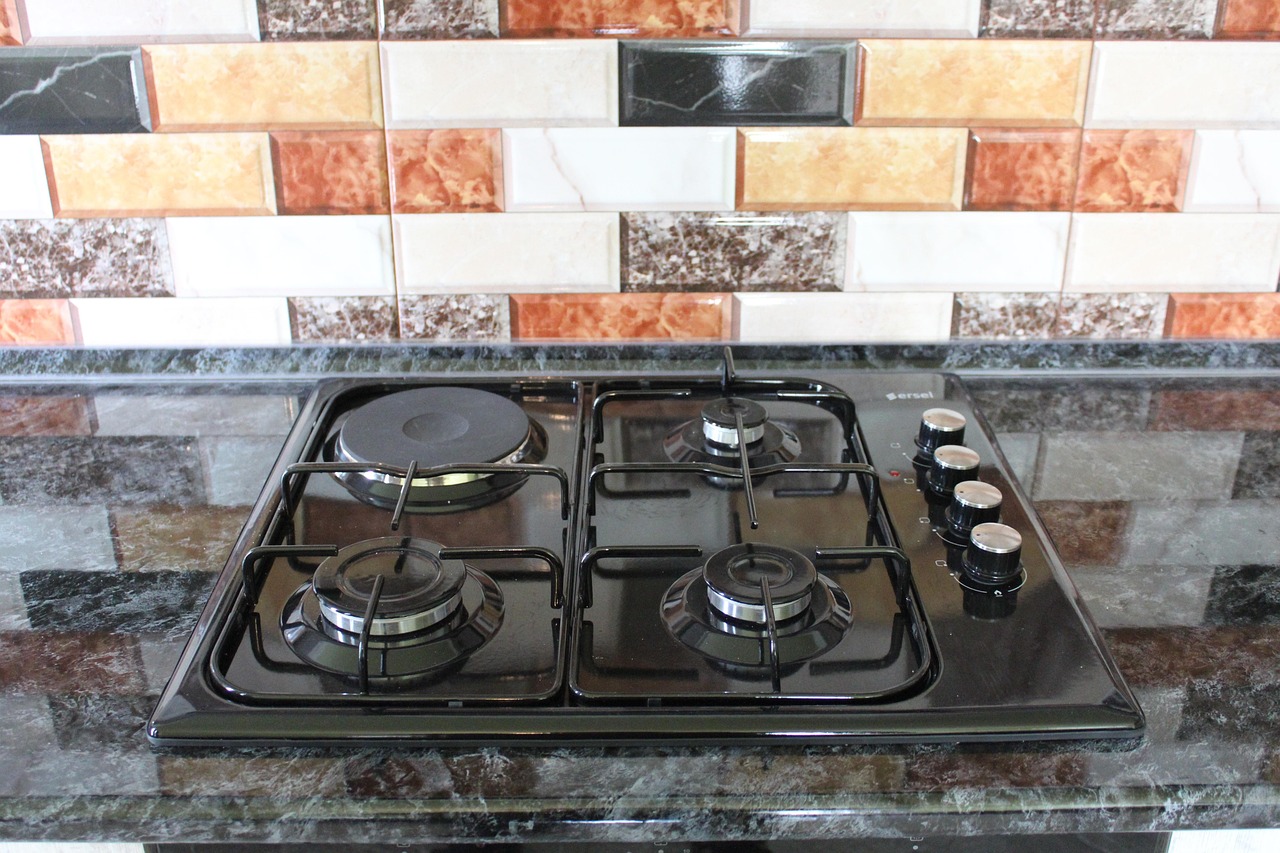
Cooking oils behave differently from dry dust. They spread, oxidize, and trap particles. For stovetops and backsplashes, grease-cutting ability is often more useful than a disinfecting claim. Appliance exteriors add another variable: stainless steel, glass, enamel, plastic, and touch screens may all have different care instructions. The safer routine is to check the appliance manual and avoid soaking controls, seams, or electronic panels.
Cutting boards and washable tools
Cutting boards need separate attention because they directly contact food and can hold residue in scratches or grooves. USDA guidance recommends washing cutting boards in hot, soapy water after each use, then rinsing and drying them. Nonporous boards such as plastic, glass, and acrylic, along with boards the manufacturer identifies as dishwasher-safe, may be cleaned in a dishwasher. Cracked or deeply scored boards are harder to clean effectively.
Ingredients and product formats that shape performance
Kitchen cleaners vary because kitchen soils vary. The product that removes oily film from a range hood may not be the product you want on a stone countertop or high-chair tray. Understanding a few common ingredient functions helps shoppers avoid both underpowered and overly harsh choices.
- Surfactants: Help water interact with oils and soils so residue can be loosened and wiped away. They are common in sprays, dish liquids, and many hard-surface cleaners.
- Solvents: Help dissolve greasy or oily soils. They can improve performance on cooking film, but surface compatibility still matters.
- Acids: Mild acidic ingredients may help with mineral deposits or hard-water marks, but acids can damage natural stone and certain finishes.
- Alkaline builders: Can improve cleaning against grease and cooked-on soils, while stronger alkaline products may require gloves, ventilation, and careful rinsing.
- Abrasives: Provide mechanical scrubbing action. They can be effective on durable surfaces but risky on glossy, coated, or delicate finishes.
- Fragrance and dyes: Affect user experience more than cleaning power. Fragrance-free options may be preferred in households sensitive to scent.
Format also changes how a product is used. Trigger sprays are convenient for counters and vertical surfaces. Concentrates can reduce packaging and storage space, but they require accurate dilution. Wipes are quick for small messes, though they may be less economical for large surfaces and must stay wet for the required time if they carry sanitizing or disinfecting claims. Cream cleansers and powders can help with stubborn soil, but they are not universal surface solutions.
How to use a kitchen cleaner without creating avoidable risk
Product choice matters, but the routine matters just as much. Many cleaning failures happen because the surface is too dirty, the cleaner is wiped away too quickly, incompatible products are mixed, or food-contact surfaces are not rinsed when the label requires it.
- Remove loose debris first. Wipe crumbs and food scraps into the trash or compost before spraying so the cleaner can reach the surface.
- Match the cleaner to the surface. Check whether the product is approved for stone, stainless steel, sealed wood, plastic, glass, or ceramic surfaces.
- Read the label before using sanitizers or disinfectants. EPA-registered disinfectants specify where they can be used, what organisms they target, how long the surface must remain wet, and whether rinsing is needed.
- Do not mix cleaning chemicals. Mixing products can reduce performance or create hazardous fumes, especially with bleach, ammonia, acids, or strong alkaline cleaners.
- Use ventilation and gloves when needed. Stronger degreasers, bleach solutions, and disinfectants may require extra care.
- Rinse food-contact surfaces if directed. This is especially important for counters, trays, and cutting surfaces that will touch food directly.
- Let surfaces dry properly. Air drying can support hygiene and helps prevent moisture from collecting around seams or porous materials.
CDC and EPA guidance both place heavy emphasis on following label directions. That may sound basic, but it is one of the biggest differences between using a cleaner as intended and simply spraying a surface for appearance. See also: baby&kids.
A practical buying checklist for an essentials kitchen cleaner
In the household essentials category, the most useful kitchen cleaner is not necessarily the most aggressive one. It is the product that fits frequent messes, common surfaces, and realistic cleaning habits. The following checklist helps separate practical value from label noise.
| Question to ask | Why it matters | What to look for |
|---|---|---|
| What soil is most common? | Grease, starch, sugar, mineral deposits, and protein residues respond differently. | Degreasing claims for cooking oil; mild daily cleaning for counters; specialty care for stone or glass. |
| Will it touch food-contact surfaces? | Some products require a potable-water rinse after use near food. | Clear label directions for counters, cutting boards, tables, or appliance surfaces. |
| Is disinfecting actually needed? | Routine disinfecting is not always necessary in ordinary daily cleaning. | EPA registration and contact-time instructions when disinfection is the goal. |
| Can it be used on the home’s materials? | Stone, stainless steel, wood, and coated surfaces can react differently. | Surface compatibility statements and warnings against use on specific materials. |
| Is the format realistic? | A good product that is inconvenient may not be used correctly. | Spray for daily counters, concentrate for refills, wipes for small high-touch areas, specialty products for stubborn soil. |
Shoppers should also consider storage and household behavior. A concentrated cleaner may be economical, but only if someone will dilute it correctly and label the bottle. A disinfecting wipe may be convenient, but it may not be the right tool for a large greasy stovetop. A heavily fragranced cleaner may make a room smell finished while leaving soil behind if the formula is not suited to the mess.
Common mistakes that reduce cleaning results
The kitchen is a high-use space, so small cleaning mistakes tend to repeat. The first is treating scent as proof of cleanliness. Fragrance can signal freshness, but it does not confirm that grease, residues, or microorganisms have been addressed.
The second mistake is skipping the cleaning step before sanitizing or disinfecting. Heavy soil can interfere with the effectiveness of some sanitizers and disinfectants. When a surface has visible residue, cleaning first is the practical foundation.
The third is using one aggressive cleaner everywhere. Strong products may be appropriate for tough grease or specific disinfection needs, but they can damage delicate finishes or leave residues where food will be prepared. In many kitchens, a basic daily cleaner plus a targeted degreaser or disinfectant is more practical than one harsh product for every task.
The fourth is wiping too soon. Disinfectants and some sanitizers require wet contact time to work as labeled. If a surface dries immediately or is wiped dry too quickly, the product may not deliver the claimed result.
Frequently asked questions
Can one cleaner handle the whole kitchen?
One daily hard-surface cleaner can cover many routine kitchen tasks, but not every task. Greasy stovetops, natural stone, cutting boards, appliance screens, and food-contact surfaces may require different products or different directions.
Do I need a disinfectant for everyday kitchen cleaning?
Not always. CDC home hygiene guidance indicates that routine disinfecting is usually not needed unless someone is sick or there is a specific reason to reduce germ spread. For everyday residue, a cleaner that removes soil may be the more relevant tool.
What should I use after preparing raw meat?
Wash hands, utensils, cutting boards, and counters that contacted raw meat or juices. If you use a sanitizer or disinfectant afterward, choose one labeled for the surface and follow contact time and rinse instructions carefully.
Are natural or plant-based kitchen cleaners automatically safer?
No product is automatically safer or more effective because of a broad marketing term. Surface compatibility, ingredient function, concentration, directions, and safe handling all matter. Even naturally derived ingredients can irritate skin or damage surfaces if misused.
How should kitchen cleaners be stored?
Store cleaners in their original containers when possible, away from children, pets, heat, and food. If a diluted product is placed in another bottle, label it clearly and follow any time limits or storage instructions from the original product label.
The bottom line
An essentials kitchen cleaner is valuable when it solves everyday kitchen problems without creating unnecessary risk. The best routine starts with the surface and the soil: remove visible mess, choose the right formula, follow the label, and reserve sanitizing or disinfecting for situations where it is actually needed. That approach is clearer, safer, and more useful than chasing the strongest claim on the front of the bottle.