
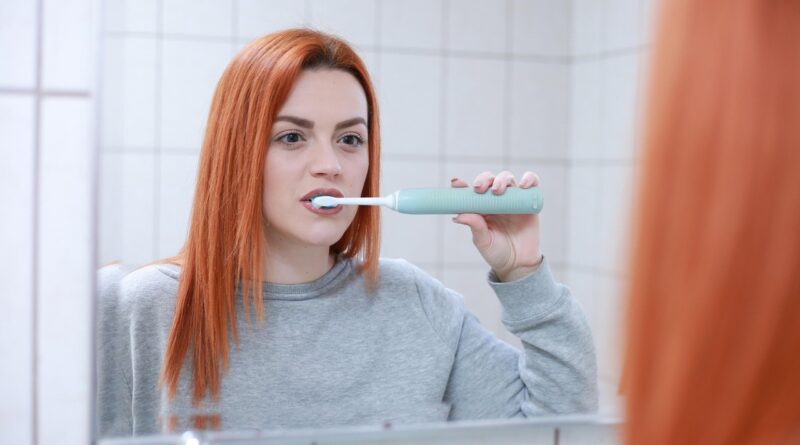
Personal home health care essentials for safer daily care at home
What personal home health care means now
Personal home health care is no longer limited to professional care services delivered in the home. For many households, it also describes the everyday system of hygiene, skin care, oral care, home-use devices, cleaning products, storage habits and safety checks that help people manage routine wellness more responsibly. The practical aim is to reduce avoidable risk, make daily care easier to follow and recognize when a product is not enough and a clinician is needed.
For fast-moving consumer goods brands, retailers and content teams, this matters because many personal care products now sit closer to health routines than traditional grooming. Hand cleansers, moisturizers, thermometers, oral care items, menstrual products, incontinence supplies, disinfectants and home-use health devices may all be used in the same care environment. The opportunity is not to make unsupported medical promises, but to help consumers build routines that are safer, clearer and better labeled.
Readers looking for broader product and category coverage can explore the Personal Care section for related industry perspectives.
The home care routine should start with risk, not products
A useful personal home health care routine starts with the household’s actual needs. A young family may focus on hand hygiene, fever checks and bathroom cleaning. An older adult living alone may need medication organization, fall-risk reduction, skin care and device support. A person recovering from illness may need temporary wound-care supplies or monitoring tools recommended by a health professional.
This risk-first approach helps prevent a common category problem: buying products without a clear use case. More products do not automatically mean safer care. A bathroom cabinet full of expired ointments, unclear instructions and duplicate devices can create confusion. A smaller set of correctly chosen, clearly labeled and routinely checked items is often more useful.
Public health and regulatory guidance supports this practical view. FDA materials on home-use medical devices emphasize that products used outside professional facilities must work in real home conditions, including available power, water, storage, connectivity, backup supplies and the user’s ability to operate them. The same logic applies beyond devices. Any daily care item used repeatedly at home should be easy to identify, easy to use as directed and easy to replace when it is expired, contaminated or damaged.
Core product areas in personal home health care
Personal home health care usually spans several overlapping product areas. The table below organizes common categories by function and by the main safety issue consumers should consider.
| Product area | Typical role at home | Key limitation or risk |
|---|---|---|
| Hand hygiene and cleansing | Reduces transfer of dirt and germs during routine care | Overuse or harsh formulas can irritate skin; directions matter |
| Skin care and barrier products | Supports comfort, dryness management and routine protection | Products should not be treated as cures for infection or disease unless properly labeled |
| Oral and nasal care | Supports daily hygiene and comfort | Shared items, poor storage or misuse can increase hygiene risks |
| Home-use devices | Helps monitor or support health-related tasks, such as temperature checks or blood pressure tracking | Incorrect fit, calibration, storage or interpretation can reduce usefulness |
| Cleaning and disinfecting products | Helps manage surfaces, bathrooms and high-touch areas | Mixing chemicals or ignoring label directions can create safety hazards |
| Safety support items | Includes alarms, sharps containers, lighting and non-slip aids | Items need placement, maintenance and periodic checks to remain useful |
This structure is especially important for retailers and content publishers. Grouping products only by aisle or format can miss the way people actually use them. Grouping by care task, safety concern and replacement cycle gives consumers more useful context.
Hygiene is the foundation, but it needs balance
Hand hygiene remains one of the simplest and most important parts of care at home. CDC guidance for healthcare settings places hand hygiene at the center of infection prevention. A home is not a hospital, but the basic principle still applies: clean hands before and after care tasks, after bathroom use, after handling waste and before food or medication handling.
At the same time, hygiene does not mean aggressive body cleansing or constant disinfecting of every surface. In personal care, over-cleansing can damage the skin barrier, especially for older adults, children and people with sensitive skin. A safer routine uses mild cleansers where appropriate, dries skin thoroughly, moisturizes when needed and keeps shared items such as towels, razors, nail tools and toothbrushes separate.
For brands and category managers, the key distinction is between hygiene support and medical claims. A cleanser can help remove dirt and support routine cleanliness. A moisturizer can help reduce dryness and support the skin barrier. Those claims are different from saying a product treats a skin disease, prevents infection or replaces professional care. Clear language builds trust and reduces regulatory and consumer confusion.
Home-use devices need instructions, space and backup planning
Home-use medical and wellness devices have become more familiar in daily life. Thermometers, blood pressure monitors, pulse oximeters, glucose meters, nebulizers and other products may appear in consumer settings, depending on the household’s needs. The FDA describes a home-use medical device as one intended for users outside a professional healthcare facility, including use by patients, caregivers or family members.
For consumers, the main point is that a device is only as useful as the routine around it. The device should be appropriate for the user, stored as directed, kept clean, checked for battery or power needs and used according to instructions. If readings are unexpected, confusing or linked to symptoms, the result should not be interpreted in isolation. A healthcare professional can provide context that a consumer device cannot.
Before adding a device to a home routine, households should ask practical questions:
- Does the device require batteries, charging, water, internet access or compatible accessories?
- Can the intended user read the display, hear alerts and operate the controls?
- Are replacement parts, strips, filters or cuffs easy to obtain?
- Is there a plan for cleaning, storage and disposal?
- Who should be contacted if the device appears inaccurate or stops working?
These questions are not barriers to adoption. They make adoption safer. They also show why packaging, inserts, digital instructions and customer support information are part of the product experience, not afterthoughts.
Cleaning products should support care without creating new hazards
Household cleaning is part of personal home health care because care routines happen on real surfaces: bathroom counters, bedside tables, sinks, device cases, laundry areas and kitchen spaces. EPA consumer guidance consistently emphasizes following label directions for registered products and warns against mixing household cleaners unless a label specifically directs it. This is a basic but often overlooked safety point.
The difference between cleaning, sanitizing and disinfecting should also be clear. Cleaning removes dirt and many impurities from surfaces. Sanitizing reduces certain microorganisms to levels defined by the product label. Disinfecting is intended to kill specified microorganisms on listed surfaces when used exactly as directed, including the required contact time. A disinfectant wiped away too soon may not perform as expected. See also: baby&kids.
Indoor air also matters. EPA materials on indoor air quality point to the role of source control, ventilation, moisture management and careful product use. In practical terms, that means addressing water problems when mold appears, using products in ventilated spaces when labels call for it, closing containers after use and storing chemicals away from children, pets and vulnerable adults.
Safety checks turn a product collection into a care system
A personal home health care routine should include periodic checks. These checks do not need to be complicated. A monthly review of care products can identify expired items, missing supplies, low batteries, damaged packaging and unclear labels.
Carbon monoxide alarms are a good example of why maintenance matters. CPSC guidance advises consumers to test carbon monoxide alarms monthly, replace batteries annually and place alarms on each level of the home and outside sleeping areas. This is not a traditional personal care product, but it is part of the safety environment in which home care happens.
Sharps and medication storage also deserve attention. Needles, lancets and similar items should be handled with proper disposal containers when used at home. Medications and topical products should be stored according to their labels and kept separate from lookalike personal care items. A tube, dropper or bottle that is easy to confuse can become a real safety issue, especially in shared bathrooms or multi-generational homes.
A simple monthly checklist can include:
- Check expiration dates on medicines, ointments, test strips and first-aid items.
- Replace damaged toothbrushes, razors, sponges or applicators.
- Confirm that device batteries, chargers and accessories are available.
- Review whether cleaning products are closed, labeled and stored safely.
- Test alarms and replace batteries when scheduled.
- Remove products that no one can identify or use confidently.
What this means for personal care brands and retailers
The growth of care at home changes expectations for the personal care category. Consumers are not only comparing fragrance, format and price. They are also looking for clarity, suitability, safety cues and confidence. This does not mean every personal care item should become a medical product. It means everyday products need clearer roles in daily routines.
For brands, useful content can explain when to use a product, when not to use it, how to store it, how often to replace it and which warning signs require professional help. For retailers, better merchandising can group related products around tasks such as bathing support, dry skin management, oral hygiene, recovery care, bathroom safety or caregiver replenishment.
The strongest category content avoids two extremes. It should not reduce personal home health care to generic wellness language, and it should not overstate what consumer goods can do. A responsible article, product page or buying guide should connect practical household needs with verified product functions, while leaving diagnosis and treatment decisions to qualified professionals.
Frequently asked questions
Is personal home health care the same as professional home health care?
No. Professional home health care usually refers to services delivered by licensed or trained providers. Personal home health care, as used here, refers to the daily household routines and products that support hygiene, monitoring, safety and comfort. It can complement professional care, but it does not replace medical advice or treatment.
Which products belong in a basic home care kit?
A basic kit may include hand hygiene products, mild cleansers, moisturizer, oral care items, a thermometer, first-aid supplies, clearly labeled cleaning products and any condition-specific items recommended by a healthcare professional. The right kit depends on the household, so it should be reviewed rather than copied from a generic list.
How often should home care products be reviewed?
A monthly check is practical for most households. Review expiration dates, batteries, device accessories, damaged packaging and items that may have been contaminated or stored incorrectly. Products used for a specific condition may need more frequent review based on clinician instructions or product labeling.
Can personal care products claim health benefits?
They can only claim benefits that are appropriate for their product type and supported by labeling, regulation and evidence. Routine hygiene or moisturizing claims are different from claims to treat disease, prevent infection or diagnose a condition. Consumers should read labels carefully, and brands should avoid language that overpromises.
When should a consumer seek professional help instead of relying on home products?
Professional help is needed for severe symptoms, worsening conditions, signs of infection, unexplained pain, abnormal device readings that cause concern, medication questions or any situation where the user is unsure what to do. Home products can support daily routines, but they should not delay necessary care.