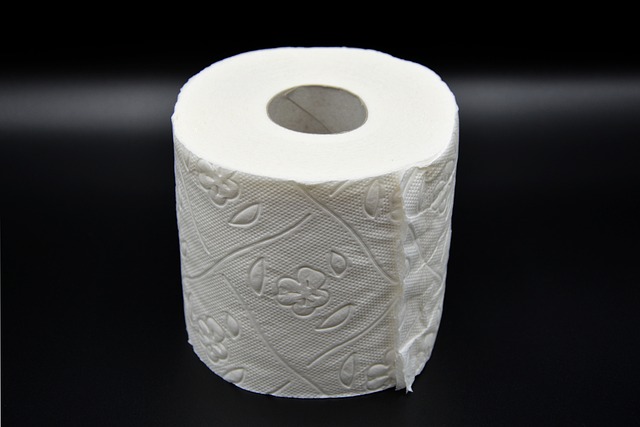
Is Charmin Essentials Soft Toilet Paper Truly Non Toxic or Just Marketed That Way
How Toxic Is Your Toilet Paper? Investigation of Brands
Toilet paper seems harmless, yet its chemical makeup can affect both health and the environment. Among mainstream options, Charmin Essentials Soft Toilet Paper is marketed as gentle and safe. However, a closer review of its composition and manufacturing process reveals a more complex picture. While it avoids some harsh chemicals found in older formulations, it still relies on bleaching and softening agents that may leave trace residues. The product meets general safety standards but does not qualify as fully non-toxic under strict environmental or dermatological definitions.
Understanding the Composition of Charmin Essentials Soft Toilet Paper
The chemical profile of household paper products often reflects compromises between softness, strength, and cost efficiency. For Charmin Essentials Soft, these trade-offs are evident in the choice of raw materials and processing chemicals.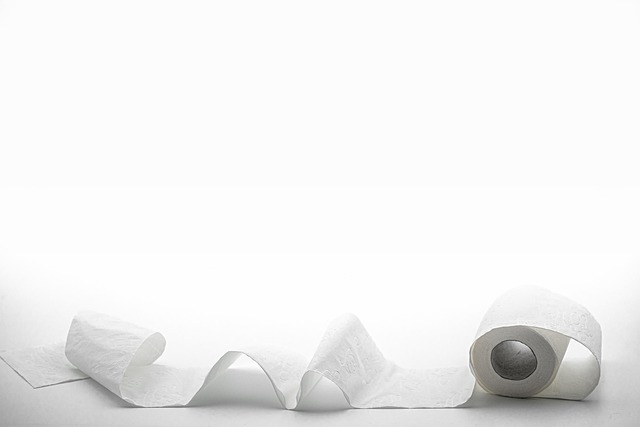
Overview of Ingredients and Manufacturing Process
Charmin Essentials Soft primarily uses virgin wood pulp sourced from softwood and hardwood trees. This mix provides tensile strength while maintaining a plush texture. Recycled fibers are less common in this line due to quality consistency concerns. During pulping, mechanical and chemical processes separate cellulose fibers from lignin, followed by bleaching to achieve a uniform white color.
Bleaching agents such as chlorine dioxide are used in an Elemental Chlorine-Free (ECF) process. Although safer than older elemental chlorine methods, ECF bleaching can still produce trace organochlorine compounds like dioxins at very low levels. Softeners—often quaternary ammonium compounds—and binders improve tactile feel and fiber cohesion but may leave residues detectable through sensitive analytical testing.
The Role of Fragrances, Dyes, and Additives
Charmin Essentials Soft is typically marketed as fragrance-free; however, manufacturing variations may introduce trace scenting agents for odor control during storage. The product does not use visible dyes but may include optical brighteners to enhance whiteness perception under light.
Synthetic additives can trigger irritation in individuals with sensitive skin or allergies. Dermatologists note that even “unscented” labels do not always mean “fragrance-free,” as masking agents may be present in minimal concentrations. Transparency on labeling remains partial since U.S. regulations allow proprietary protection for certain fragrance components.
Evaluating the “Non-Toxic” Claim in Toilet Paper Marketing
The term “non-toxic” has become a marketing staple across personal care categories. Yet its meaning varies widely depending on regulatory interpretation and consumer expectation.
Definition of “Non-Toxic” in Consumer Product Standards
Regulatory agencies such as the U.S. Environmental Protection Agency (EPA) and the Consumer Product Safety Commission (CPSC) do not provide a universal definition for “non-toxic.” Instead, toxicity is assessed based on acute or chronic exposure thresholds determined through standardized testing protocols like OECD guidelines for dermal irritation or sensitization.
In practice, many brands use “non-toxic” to indicate compliance with general safety limits rather than complete absence of harmful substances. Industry standards focus on dose-dependent risk; however, consumers often interpret the term as implying zero toxicity potential—a gap that fuels misunderstanding.
Marketing Strategies and Greenwashing Concerns
Brands often emphasize sustainability or purity claims to gain consumer trust. The use of green imagery or vague eco-terms can constitute greenwashing if unsupported by independent verification. In toilet paper marketing, phrases like “safe for sensitive skin” or “eco-friendly softness” are common yet rarely tied to third-party certifications such as FSC (Forest Stewardship Council) or EWG Verified ratings.
Charmin’s parent company promotes responsible forestry sourcing but does not list full ingredient disclosures or publish independent toxicity evaluations for this specific product line.
Chemical Safety Assessment: What Experts Look For
Scientific evaluation of paper hygiene products extends beyond ingredient lists to include residue analysis, emission testing, and long-term exposure modeling.
Common Chemicals in Conventional Toilet Paper Production
Conventional tissue production often involves chlorine-based bleaches, formaldehyde derivatives used for wet-strength enhancement, and quaternary ammonium compounds functioning as softeners. Each carries potential health implications at high exposure levels: dioxins from chlorine bleaching are persistent organic pollutants; formaldehyde can cause contact dermatitis; quats may disrupt skin microbiota balance when repeatedly applied to mucosal surfaces.
Environmental scientists also note that these compounds resist rapid degradation in wastewater systems, contributing to cumulative chemical loads downstream from treatment facilities.
Testing Methods for Toxicity Evaluation
Independent laboratories assess toilet paper safety using dermal patch tests on human volunteers or reconstructed epidermis models to detect irritation potential. Chemical leaching studies simulate water contact conditions to measure migration rates of additives into solution.
Hypoallergenicity claims require negative results across standardized sensitization tests such as HRIPT (Human Repeat Insult Patch Test). Peer-reviewed studies comparing conventional versus unbleached tissues generally find lower extractable chemical residues in the latter group but minimal difference in short-term irritation outcomes among healthy users.
Comparing Charmin Essentials Soft to Alternative Brands
Comparative analysis reveals how ingredient transparency and environmental performance vary across market segments—from premium eco-certified rolls to mass-market options like Charmin Essentials Soft Toilet Paper.
Benchmarking Against Eco-Certified and Unbleached Options
Eco-certified brands typically disclose pulp sources verified by FSC or PEFC schemes and adopt Totally Chlorine-Free (TCF) bleaching using hydrogen peroxide or oxygen-based oxidizers instead of chlorine dioxide. These methods reduce dioxin formation risk almost entirely but can slightly alter paper brightness or texture.
Charmin Essentials Soft relies on ECF processing without full certification disclosure. Biodegradability tests show standard breakdown rates suitable for septic systems but slower decomposition compared with bamboo-based alternatives due to higher fiber density and additive content.
Consumer Safety Reports and Expert Opinions
Dermatological assessments report low incidence of irritation from Charmin Essentials Soft among general populations; however, individuals with vulvar dermatitis or eczema sometimes report mild reactions linked to residual softeners or optical brighteners. Environmental health researchers advocate switching to unbleached recycled tissue when minimizing cumulative chemical exposure is prioritized over tactile comfort.
Environmental Impact Beyond Toxicity Claims
Chemical safety forms only part of a broader sustainability equation encompassing resource sourcing, carbon emissions, and waste management performance throughout the product lifecycle.
Resource Sourcing and Sustainability Practices
Charmin’s pulp supply chain includes North American forests managed under sustainable yield principles but not fully certified across all suppliers. Lifecycle analyses estimate moderate carbon intensity due to energy demands during pulping and drying stages combined with transportation from regional mills to distribution centers nationwide.
Packaging improvements—such as reduced plastic wrapping—have been introduced incrementally yet remain partial compared with fully compostable alternatives offered by niche eco-brands.
Wastewater Treatment and Biodegradability Considerations
Toilet paper generally disintegrates within minutes after flushing; however, additives can influence dispersion rate. Laboratory simulations show that conventional softeners slightly delay fiber separation compared with untreated papers. Once in wastewater streams, cellulose biodegrades efficiently while synthetic residues may persist through multiple treatment cycles before dilution reduces concentration below detection limits.
Bamboo- or recycled-fiber papers exhibit faster biodegradation kinetics due to shorter fiber chains and fewer surface coatings—factors relevant where septic performance is critical.
Interpreting the Evidence: Scientific vs Marketing Narratives
Public trust hinges on aligning brand messaging with verifiable data rather than aspirational language about purity or sustainability.
Weighing Independent Data Against Brand Messaging
Independent toxicity data indicate Charmin Essentials Soft meets regulatory safety thresholds but cannot substantiate absolute non-toxicity claims given residual chemical traces typical of ECF-bleached tissues. Corporate communications emphasize comfort benefits while omitting detailed toxicological metrics—a pattern consistent with broader industry marketing norms prioritizing sensory appeal over full disclosure transparency.
Peer-reviewed evidence consistently supports that unbleached recycled options carry lower environmental persistence profiles despite minor trade-offs in softness perception among consumers accustomed to premium brands.
Expert Recommendations for Informed Consumers
Experts recommend evaluating hygiene products based on clear labeling practices, third-party certifications (e.g., FSC or Green Seal), absence of synthetic fragrances or dyes, and verifiable biodegradability data rather than relying solely on marketing descriptors like “gentle” or “pure.” Balancing comfort preferences with evidence-based safety considerations allows professionals advising clients—or simply health-conscious households—to make informed decisions grounded in measurable criteria instead of promotional narratives.
FAQ
Q1: Does Charmin Essentials Soft contain bleach?
A: Yes, it uses an Elemental Chlorine-Free bleaching process involving chlorine dioxide rather than elemental chlorine gas.
Q2: Is Charmin Essentials Soft safe for sensitive skin?
A: Most users experience no irritation; however, those with skin sensitivities may react to residual softeners or brighteners present at trace levels.
Q3: Is this toilet paper biodegradable?
A: It breaks down adequately in standard sewage systems though slower than unbleached recycled options due to fiber density and additives.
Q4: Are there toxins left after manufacturing?
A: Small amounts of organochlorine compounds may remain post-bleaching though within regulatory limits deemed safe for consumer use.
Q5: What’s a safer alternative for environmentally conscious buyers?
A: Unbleached recycled tissue certified by FSC or bamboo-based papers processed without chlorine offer lower chemical residues and smaller ecological footprints.