
What Defines a Basic Tool Set for Home in the Context of the 50 Essential Garage Tools
The 50 Tools That Belong in Every Garage, Toolbox, and Shed
A well-equipped home or garage doesn’t require hundreds of tools, just the right fifty. A basic tool set for home should cover daily maintenance, quick fixes, and small-scale construction without redundancy. The best collections balance hand and power tools, integrating safety gear and storage systems to support both household and garage-level projects. This article breaks down what defines a reliable tool set, how it connects to garage equipment, and which specific tools form the backbone of a professional-grade setup.
Understanding the Concept of a Basic Tool Set for Home?
A basic tool set for home is more than a random assortment of gadgets. It represents a strategic selection built around durability, versatility, and frequency of use. Each tool earns its place by solving real problems efficiently.
Defining What Constitutes a Basic Tool Set
A basic tool set encompasses essential hand and power tools required for routine maintenance, repairs, and small construction tasks. The focus lies on functionality—selecting tools that perform multiple roles without compromising quality. For instance, an adjustable wrench can replace several fixed-size ones while saving space. Quality outweighs quantity since durable materials like chrome vanadium steel maintain performance over years of use.
The Relationship Between Home Tool Sets and Garage Equipment
Although both sets overlap in purpose, their scope differs. A home kit focuses on domestic needs such as fixing furniture or hanging shelves. Garage equipment leans toward mechanical or automotive work involving torque wrenches or air compressors. Integrating both ensures readiness across scenarios—from tightening a bike chain to repairing door hinges—without switching setups.
Core Hand Tools That Form the Foundation of Every Home Tool Set
Before adding power tools or specialty gear, every toolkit starts with dependable hand tools. These provide control, precision, and tactile feedback that machines cannot replicate.
Essential Fastening and Loosening Tools
Screwdrivers remain indispensable for assembly tasks; having both flathead and Phillips types covers most screws found in appliances or furniture. Adjustable wrenches handle varied bolt sizes when exact fits are unavailable. Pliers—needle-nose for detail work or slip-joint for gripping—add flexibility. Socket sets speed up repetitive fastening jobs common in mechanical repairs.
Cutting and Measuring Instruments
Cutting tools define craftsmanship accuracy. Utility knives trim drywall edges cleanly; handsaws manage wood cuts; tin snips handle sheet metal adjustments. Measurement accuracy comes from reliable tapes and levels that prevent crooked installations. Marking pencils or chalk lines guide cuts before drilling or sawing begins—a simple but often overlooked step that saves material waste.
Impact and Striking Tools
Hammers represent force control in manual work. A claw hammer drives nails yet doubles as an extractor during dismantling. Rubber mallets apply gentle impact without marring surfaces—ideal for fitting laminate flooring or assembling furniture frames. In garages, ball-peen hammers shape metal edges or rivets where precision meets strength.
Power Tools That Elevate the Basic Home Tool Set
Power tools expand capability beyond manual limits by adding speed and consistency to demanding tasks.
Drilling and Fastening Equipment
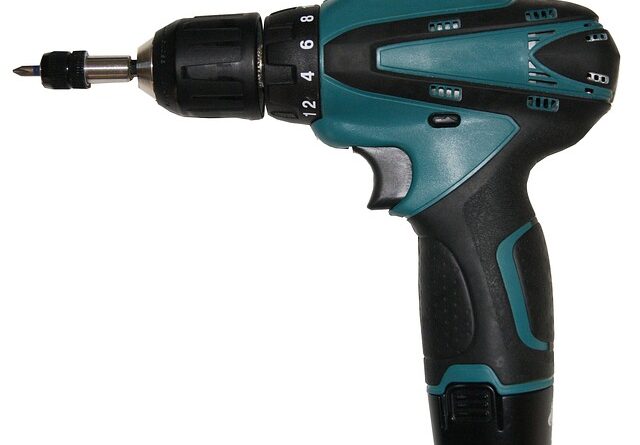
Cordless drills dominate modern toolkits due to their portability and battery efficiency. Combined with impact drivers, they handle drilling into wood studs or driving long screws into dense materials effortlessly. A comprehensive drill bit set broadens application—from masonry anchors to metalwork fabrication—making these two devices central to advanced DIY operations.
Cutting and Shaping Power Tools
Circular saws cut lumber swiftly while maintaining straight lines essential in framing projects. Jigsaws excel at curved cuts where precision trumps speed—useful in cabinetry or decorative woodworking. Angle grinders serve multipurpose roles: cutting rebar, grinding welds smooth, or polishing rusted surfaces depending on the chosen disc type.
Maintenance and Safety Components in a Professional-Level Home Tool Set
Owning good tools matters little if they’re disorganized or used unsafely. Proper storage and protective gear elevate any setup from amateur to professional standard.
Organization and Storage Solutions
Toolboxes keep essentials portable between rooms while wall-mounted pegboards display frequently used pieces visibly for quick access. Modular drawers grow with collection size without cluttering workspace areas. Labeling compartments avoids downtime spent searching mid-project—a hallmark of efficient workshops.
Personal Protective Equipment (PPE) Essentials
Safety glasses shield eyes from flying debris during cutting or grinding operations; gloves protect hands from sharp edges while improving grip stability; ear protection prevents hearing loss when using high-decibel saws or sanders regularly. Professionals treat PPE as integral gear rather than optional accessories because one accident can halt productivity indefinitely.
Expanding the Basic Tool Set Toward a Comprehensive 50-Essential Garage Collection
Once foundational items are secured, expansion focuses on bridging household convenience with workshop-grade capability.
Bridging Household Needs with Workshop Functionality
Adding automotive-oriented pieces like torque wrenches extends usability into vehicle maintenance—tightening lug nuts precisely without overstraining threads. Jumper cables prepare users for emergency starts while bench vises stabilize materials during grinding sessions. Seasonal additions such as snow shovels or garden shears adapt the same toolkit framework across all weather conditions.
Evaluating Quality Standards Across All 50 Essential Tools
Professional-grade materials determine lifespan under stress conditions typical in garages where torque loads vary widely. Chrome vanadium steel resists corrosion even after prolonged exposure to lubricants or humidity changes common near mechanical setups. Ergonomic handles reduce strain during repetitive motion tasks like sanding panels or tightening bolts overhead. Regular inspection schedules sustain reliability across both manual implements and powered units—a discipline often seen among certified technicians following ISO safety practices.
FAQ
Q1: What defines a high-quality basic tool set for home?
A: It combines essential hand and power tools made from durable materials like chrome vanadium steel, focusing on versatility rather than sheer quantity.
Q2: How often should home tools be inspected?
A: Inspection every six months is advisable to detect wear on grips, rust formation on blades, or loosened joints that compromise safety.
Q3: Are cordless power tools better than corded ones?
A: Cordless models offer mobility ideal for household use; however, corded versions deliver consistent power suited for extended garage tasks.
Q4: What’s the most overlooked safety item in DIY projects?
A: Hearing protection is often neglected despite many saws exceeding safe decibel thresholds recommended by occupational standards such as OSHA’s 85 dB limit.
Q5: How can one expand from a basic kit to a full 50-tool collection efficiently?
A: Prioritize gaps by project type—start with automotive extensions like torque wrenches before adding seasonal outdoor gear—to maintain balanced capability without redundancy.