
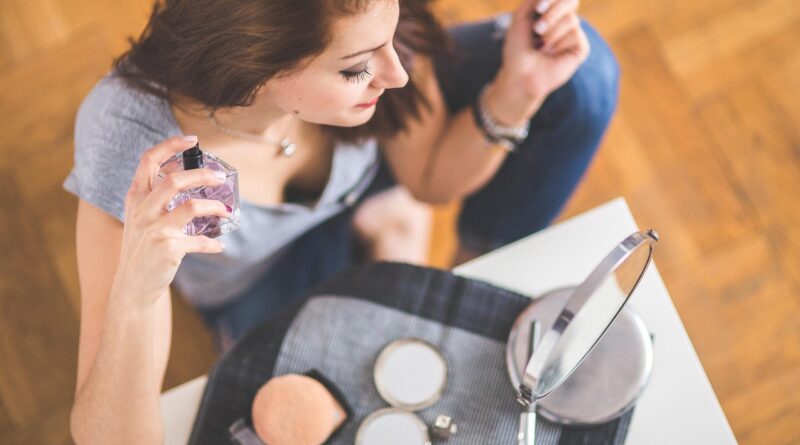
How Can Home Personal Care Make Everyday Routines Safer, Smarter, and More Affordable?
Home personal care is more than a few bottles on a bathroom shelf. It is the daily work of hygiene, skin comfort, oral care, hair care, scent control, and small safety habits used at home. If you buy for a family, hotel amenity kits, retail shelves, or cross-border FMCG ranges, a simple routine helps cut waste and keeps products moving because people finish what they use. For more category ideas, visit Personal Care.
A useful routine does not need to be the expensive one. It has to work at 7 a.m., still feel easy after a workday, and avoid half-used bottles sitting under the sink. The notes below use public guidance from CDC, FDA, EPA, AAD, and Circana, with source names and dates kept in the text.

What Does Home Personal Care Really Include?
Home personal care covers the products and habits that keep people clean, comfortable, and presentable in normal home life. For FMCG buyers, it also means repeat-use items with clear daily demand, clear use occasions, and packaging that fits shared bathrooms, small apartments, and family routines.
Daily Hygiene Essentials
Hand wash, body wash, shampoo, deodorant, toothpaste, mouthwash, sanitary items, tissues, and hand sanitizer form the practical core. CDC Clean Hands guidance, accessed July 2026, says handwashing should take about 20 seconds, while sanitizer should contain at least 60% alcohol when soap and water are not available. For buyers, basic hygiene products still anchor the category because they are used often and are easy for shoppers to understand.
Skin, Hair, and Oral Care Basics
A home range should cover cleanser, moisturizer, hair care, oral care, and simple repair items such as lip balm or hand cream. These are not products people use only for special occasions. They sit beside the sink, shower, bed, or work bag. When a product has a clear place in the day, repeat purchase becomes easier to earn.
Household Context Matters
A single person in a city flat may prefer smaller bottles and light scents. A family may need pump packs, refill pouches, and gentle options for different ages. A guest bathroom needs simple labels and low-risk formulas. This sounds basic, but it affects sell-through. Many slow-moving SKUs fail because they do not fit the room where the product is actually used.
How Can You Build a Simple Routine That People Actually Keep?
A good routine works because it follows normal touchpoints. People do not need ten steps. They need the right product in the right place, with a texture, scent, and price that does not feel like extra work after a few days.
Morning Reset
The morning routine usually needs speed: brush teeth, cleanse, shower, deodorize, style hair, and apply sunscreen or moisturizer where needed. Products should rinse clean, pump easily, and leave little mess around the sink or shower. For retailers, morning-use items can use front-facing claims such as “quick rinse,” “fresh feel,” or “non-greasy.” The claim still has to be true and easy to prove.
After-Work and School Care
Evening entry points often start at the door or sink. Hand wash, sanitizer, gentle face cleanser, foot spray, and body wipes can serve people coming home from commuting, school, gyms, or warehouse shifts. The message should stay practical: remove dirt, refresh skin, and feel normal again. It is not a fancy use case, but it is a real one in many households.
Night Care Without Product Clutter
At night, people are more open to comfort products such as richer moisturizer, scalp care, hair mask, floss, or soothing body lotion. The American Academy of Dermatology, accessed July 2026, advises applying moisturizer while skin is still damp after bathing or handwashing. For product placement, that points to a simple tip: keep body lotion close to the towel, not hidden in a cabinet.
Which Ingredients and Claims Deserve a Closer Look?
Personal care labels can help, but some words are loose. Read the front claim, then check the ingredient list, use direction, and warning statement. For trade buyers, safer products are usually the ones that state benefits clearly without pushing the claim too far.
Fragrance and Allergen Signals
Fragrance can make a product feel more finished, but it is also a common reason some users avoid a formula. FDA allergen information, accessed July 2026, notes that cosmetic reactions may include rash, itching, hives, swelling, eye or nose irritation, and more serious symptoms in rare cases. The buying point is simple: carry both scented and fragrance-free options so shoppers are not forced into one choice.
Alcohol Levels in Hand Sanitizer
Sanitizer is not all the same. CDC guidance says at least 60% alcohol is needed when choosing hand sanitizer for everyday use without soap and water. This is a useful shelf check for procurement teams. A neat bottle with weak alcohol content may look good, but it does not meet the practical hygiene benchmark.
Labels That Say Less Than They Seem
Words like “natural,” “clean,” “dermatologist tested,” and “gentle” need context. FDA information, accessed July 2026, states that cosmetics are FDA-regulated, but most are not FDA-approved before sale, except color additives in many cases. So it is risky to rely on one front-label phrase. Look for full ingredients, batch coding, supplier documents, and honest directions.
Why Do Safety, Storage, and Indoor Air Matter at Home?
Home personal care touches skin, eyes, mouths, drains, towels, storage shelves, and indoor air. That is why product choice is only part of the job. Safe use and sensible storage make the routine work better, especially in bathrooms with poor ventilation or shared family spaces.
Ventilation During Sprays and Strong Scents
EPA indoor air guidance, accessed July 2026, reports that levels of some common organic pollutants can be 2 to 5 times higher indoors than outdoors. It also lists personal care and cleaning products among indoor sources that may affect air quality. In daily use, sprays, strong fragrance, and aerosol items should be used with airflow, such as an exhaust fan or an open window.
Clean Tools and Dry Storage
Razors, loofahs, brushes, pumice stones, and refill pumps need dry, clean storage. Damp corners make products unpleasant to use and may shorten usable life. Choose packaging that drains, closes firmly, and stands steady on small shelves. A bottle that falls into the tub twice a week is unlikely to get a repeat purchase. See also: baby&kids.
Child and Guest-Friendly Placement
Keep mouthwash, sanitizer, razors, hair dye, and strong treatment products away from young children. Guest bathrooms should use simple, low-risk items with easy directions. If a product needs a patch test, gloves, timing, or extra rinsing, it belongs in a controlled storage spot, not beside everyday hand soap.
What Should Buyers Watch in Home Personal Care FMCG?
For FMCG trading, home personal care is useful because it combines repeat use with a small comfort factor. People want clean hands and healthy skin, and they also want the product to feel decent in daily use. That mix makes price, pack size, scent, and trust matter at the same time.
Value Packs That Still Feel Good
Large bottles, refills, bundles, and family packs can lower cost per use. Still, value should not feel like poor quality. A sturdy pump, clear label, and fresh but not overpowering scent can make a budget item feel dependable. For export packs, avoid overloading the label because fast reading works better than fancy wording in a busy aisle.
Mass, Prestige, and Mixed Baskets
Circana reported in February 2025 that U.S. prestige beauty sales grew 7% in 2024 to $33.9 billion. In August 2025, Circana said U.S. prestige beauty reached $16 billion in the first half of 2025, while mass merchant beauty sales reached $34.6 billion. For buyers, the point is that shoppers often mix treat items with practical value products in the same basket.
Clear Packaging for Fast Decisions
Home personal care buyers often decide in seconds. Put the main use case on the front: dry skin, daily hand wash, dandruff care, sensitive skin, family size, travel size, or refill. Good packaging answers three questions quickly. What is it, who is it for, and why should it replace the old bottle?
How Can You Choose Products for Different Users at Home?
No single formula fits every household. A better product range gives people a few clear paths instead of a crowded shelf with too many choices. Think by user group, then match texture, scent, pack size, and claim level to each real need.
Sensitive Skin and Fragrance-Free Options
People with dry or sensitive skin often look for fragrance-free cleansers and moisturizers. AAD dry skin guidance, accessed July 2026, suggests fragrance-free moisturizer and gentle cleansing for dry skin. For a retail range, this supports a basic rule: keep at least one simple, fragrance-free body wash and one matching lotion in the set.
Busy Families and Shared Bathrooms
Shared bathrooms need products that many people can use without arguments. Pump hand wash, family shampoo, mild body wash, toothpaste multipacks, and refill bags work well here. Choose caps that close tight and labels that survive water. The product should be easy to grab, easy to close, and easy to replace. A good family product is often plain in the right way.
Travel, Hospitality, and Gift Sets
Travel and hospitality packs need small sizes, leak control, and quick recognition. Gift sets can carry more scent and design, but they should still include useful products. A three-piece set with body wash, lotion, and hand cream usually feels more practical than five tiny products that guests do not know how to use. For trade orders, that kind of simple mix is easier to explain and easier to sell.
FAQ
Q1: What Is the Best Starting Point for a Home Personal Care Routine? A: Start with hand hygiene, oral care, body wash, shampoo, deodorant, and one suitable moisturizer. Add treatment products only when there is a clear need.
Q2: How Often Should Home Personal Care Products Be Replaced? A: Replace products when they expire, smell different, change texture, separate, or become contaminated. Shared bathroom items often need faster turnover than personal items kept clean and dry.
Q3: Are Fragrance-Free Products Always Better? A: Not always. Many users enjoy fragrance with no issue. Fragrance-free products are useful for sensitive skin, guest bathrooms, children’s routines, and households where people dislike strong smells.
Q4: What Data Matters Most When Buying Home Personal Care for Resale? A: Look at repeat-use frequency, pack size, ingredient transparency, safety documents, shelf fit, price tier, and clear claims. Public market data can guide choices, but supplier proof still matters.
Q5: Can One Product Range Serve Homes, Hotels, and Retail Stores? A: Yes, if the range has flexible pack sizes and simple claims. Homes need value and comfort, hotels need reliability, and retail stores need fast shelf communication.