

How Can You Build a Better Personal Care at Home Routine?
Why Does Personal Care at Home Matter More Than Most People Think?
Good personal care at home is not about buying every new item for the bathroom shelf. It is about keeping the right daily goods in the right place, so people can use them without thinking too much. If you buy for a household, a hotel, a small shop, or a care facility, the same rule still works: simple routines lead to steady demand. You can find more everyday product ideas in the personal care at home category.
Personal care happens during normal days, not in a perfect bathroom setup. Someone brushes teeth while packing a school bag, someone washes hands after cutting chicken, and someone puts on sunscreen before a short walk that becomes an hour outside. These small jobs are the reason fast-moving personal care products need to be practical, fairly priced, and easy to store. If the product is hard to use or hard to find, it usually gets skipped.
Daily Habits That Shape Comfort
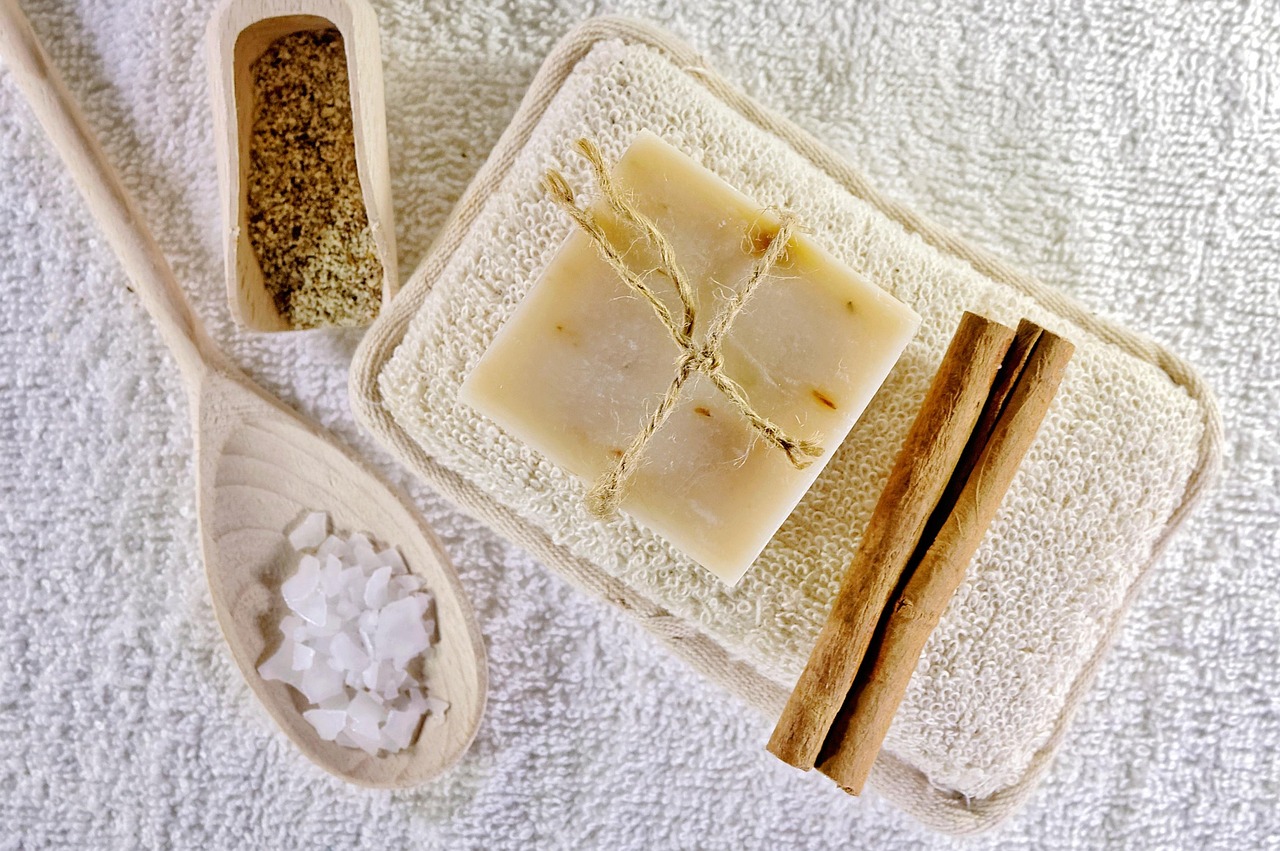
Home care routines work best when they fit the way people already live. Hand soap near the kitchen sink, toothpaste that does not feel too strong, a mild shower gel for shared bathrooms, and a lotion that soaks in quickly can make busy mornings easier. The product does not need to look special. It needs to be available, do its job, and not bother the user.
Small Products With Big Repeat Use
Many personal care items have a low unit price, but they are bought again and again. A family may finish handwash, body wash, cotton pads, toothpaste, razors, shampoo, or wet wipes on a fairly clear cycle. For buyers, pack size and refill planning matter because these items move all year. A 500 ml handwash bottle may look plain, but it can be one of the most used products in the home.
Source-Based Choices, Not Guesswork
Public health guidance can support better buying decisions. The CDC Clean Hands guidance, accessed in July 2026, says hands should be scrubbed with soap for at least 20 seconds, and hand sanitizer should contain at least 60% alcohol when soap and water are not available. The point is easy to miss in daily buying. Plain products, placed where people need them, often do more than products with long claims on the front label.
What Should a Simple Home Personal Care Routine Include?
A useful routine covers three daily areas: hygiene, oral care, and skin or hair care. You do not need a cabinet that looks like a beauty store. You need a short list that matches the people who live in the home and the products they use every day. Start with the daily basics, then add seasonal items or special-use products when there is a real need.
Hand Hygiene Basics
Keep liquid hand soap at every sink that is used often. In a kitchen, choose a formula that rinses clean and does not leave a heavy scent, because strong fragrance can get in the way during food prep. In a guest bathroom, many users see a pump bottle as cleaner than a shared bar. If water access is limited, an alcohol-based sanitizer can help, but it should not replace soap after visible dirt, grease, or food handling.
Oral Care That Fits Real Mornings
According to the American Dental Association Home Oral Care guidance, accessed in July 2026, brushing twice a day with fluoride toothpaste for two minutes and cleaning between teeth once daily remains a core recommendation. The routine is clear, but people still miss it when the setup is poor. Keep a spare toothbrush, family-size toothpaste, floss picks, or interdental brushes where they are easy to see. A cup near the sink is a small thing, but it can save time when the morning is rushed.
Shower, Skin, and Hair Staples
A home routine usually needs shampoo, conditioner, body wash or soap, facial cleanser, moisturizer, deodorant, and basic grooming items. For shared use, a mild scent and a simple texture often work better than strong perfume or heavy formulas. If one person has oily hair and another has a dry scalp, do not buy one large bottle for everyone only because the price looks low. Cheap stock becomes waste when people do not want to use it.
How Can You Choose Safer Products for Different Family Needs?
Personal care products touch skin, hair, teeth, and sometimes sensitive areas, so the label is worth a quick read. You do not need a chemistry background to make a better choice. Look for clear use directions, visible ingredient lists, proper shelf life, and packaging that closes well. If a claim sounds too big for a daily-use product, take a closer look before buying.
Clear Labels and Ingredient Checks
Choose products with labels that explain what the product does, who it is for, and how to use it. For households with children or older adults, larger print and simple directions make a real difference. For business buyers, clear labels also help reduce complaints and returns. If a product needs a patch test or should avoid eye contact, that warning should be easy to find, not buried in tiny print.
Sensitive Skin and Fragrance Choices
Fragrance is a personal choice, and it can affect repeat use. Some people like a strong shower scent, while others get irritation or headaches from it. For home use, keep at least one low-fragrance or fragrance-free option, especially for hand soap, body lotion, and facial cleanser. A mild product is not a weak product; it is often the safer shared choice in rental homes, office washrooms, clinics, and family bathrooms.
Age-Friendly Product Picks
Children may need tear-free shampoo, smaller toothbrush heads, and bottles that are easy to grip. Older adults may prefer pump dispensers, non-slip shower tools, and moisturizing wash products that do not leave the skin feeling tight. The best personal care at home routine changes with age and health needs. A product that suits a 25-year-old gym user may not suit a 70-year-old with dry skin.
Which Personal Care Products Should Stay in Your Bathroom Cabinet?
A bathroom cabinet should cover normal days and small surprises. It should not turn into a storage box for expired lotions, old samples, and half-used holiday kits. A practical list helps you buy less often, waste less money, and avoid the morning problem of an empty toothpaste tube. For trade buyers, the same list also helps with cleaner stock planning.
Core Cleansing Products
Keep handwash, body wash or soap, shampoo, facial cleanser, and toothpaste in steady supply. For homes with guests, one unopened toothbrush and a travel-size toothpaste can be useful. If you manage wholesale or retail buying, core cleansing goods need stable inventory because they are habit products. People may change scent or format, but they still need clean hands, hair, and teeth.
Moisture and Sun Protection
Moisturizer and sunscreen are easy to forget until the skin feels dry or the sun is already strong. The American Academy of Dermatology sunscreen guidance, accessed in July 2026, recommends broad-spectrum, water-resistant sunscreen with SPF 30 or higher. For many households, sunscreen should stay near the door, not at the back of a cabinet behind old razors. Product location can change whether people use it or not.
Backup Items for Busy Weeks
Useful backups include deodorant, razors, sanitary products, cotton swabs, cotton pads, wipes for travel, lip balm, nail clippers, and a basic comb. You do not need to overstock every item. A two-week backup is enough for many homes. For larger households or commercial buyers, track the fast-moving items first: handwash, tissue, wipes, toothpaste, and shower products usually sell or run out faster than styling creams.
How Do Storage and Bathroom Conditions Change Product Performance?
Bathrooms are warm, wet, and often crowded. That is not the best setting for every personal care product. Poor storage can make labels peel, pumps clog, powders clump, and creams smell different before the pack is finished. Better storage is a small habit, but it protects stock and saves money.
Heat, Moisture, and Open Lids
Close caps fully after use, especially on toothpaste, creams, and shampoos. Keep cotton products and paper items away from direct splash zones, because damp packaging can spoil quickly. If a product changes color, scent, or texture, stop using it. Sunscreen, in particular, should not sit for months in a hot car or sunny window, as heat can be hard on formulas even when the bottle still looks normal. See also: baby&kids.
Clean Dispensers and Shared Spaces
Pump bottles are convenient, but the pump top still gets touched many times. Wipe dispensers during normal bathroom cleaning, especially in shared spaces. In shared housing, offices, and guest rooms, choose sturdy bottles that do not tip over easily. A wide base and a smooth pump can reduce mess, which matters to anyone who has cleaned sticky soap from a sink ledge.
Simple Restocking Dates
Write a small purchase date on bulk products or keep a phone note for repeat items. This helps you see what is actually being used and what is just sitting there. If a 1-liter shampoo lasts two months, you can plan the next order with more confidence. If a lotion lasts one year, the scent or texture may be wrong, so the real buying question is use per bottle, not only price per bottle.
How Can Personal Care at Home Support Wellness Without Feeling Complicated?
Wellness can sound costly, but daily care is usually plain and repeatable. Clean hands, steady oral care, moisturized skin, and sun protection build a good base for most homes. The goal is not a perfect routine with too many steps. The goal is fewer skipped steps and fewer products that nobody uses.
Better Handwashing Moments
Use soap after the bathroom, before eating, after handling raw food, after coughing or sneezing, and after coming home from public places. The CDC notes that soap works better than water alone because surfactants lift soil and microbes from skin. That is why the product needs to feel good enough for regular use. If soap dries the hands too much, people avoid it, so a mild hand lotion near the sink can help.
Oral Care as a Two-Minute Habit
Two minutes can feel long when the day is busy. A small timer, electric toothbrush, or music cue can make the time easier to follow. The ADA recommendation gives a clear benchmark, but the household setup helps people stick to it. Keep toothbrushes separated, replace frayed brushes, and store toothpaste where children can reach it safely if they are old enough to brush with supervision.
Skin Protection Before Outdoor Time
Sunscreen belongs in the routine before errands, commuting, sports, gardening, and beach days. The AAD recommendation on SPF 30 or higher gives a useful buying standard. Hats, shade, and long sleeves also help when people stay outside longer than planned. For families, a pump sunscreen by the door and a small tube in a bag can save time, because no one wants to search for sunscreen while kids are already waiting outside.
How Should You Buy Personal Care Products for Better Value?
Value is not always the lowest shelf price. It is the right match between quality, pack size, scent, texture, and how fast the product is used. This matters even more in FMCG buying, where a small change in repeat purchase can affect monthly stock planning. A product that people finish on time is often a better buy than a cheaper product that stays half full.
Pack Size That Matches Real Use
Small packs suit travel, guest kits, and trial use. Medium packs work for most households because they are not too risky and not too wasteful. Large refill packs can lower cost, but only when the product is liked and used quickly. Do not buy a huge refill of a product nobody has tested, because that is how bathroom cabinets fill up with almost-full bottles.
Claims That Match Daily Needs
Look for claims that matter in daily use: fluoride toothpaste, SPF rating, broad-spectrum sun protection, alcohol percentage for sanitizer, or fragrance-free labeling for sensitive users. Be careful with vague words like “advanced” or “premium” if the label does not explain the benefit. Strong buying choices come from clear product function, not decorative wording. This is true for family shopping and for trade buying.
Indoor Habits and Product Use
The U.S. Environmental Protection Agency Indoor Air Quality information, updated in 2026 and accessed in July 2026, says Americans spend about 90% of their time indoors, and some indoor pollutant levels are often 2 to 5 times higher than typical outdoor levels. For personal care buyers, that background supports a practical point: products used indoors should be chosen with ventilation, scent strength, and shared space in mind. A lighter fragrance may work better for small bathrooms and closed rooms. It can also reduce complaints in guest rooms, offices, and other shared indoor areas.
FAQ
Q1: What Is the Most Important Product for Personal Care at Home? A: Soap is one of the main basics because hand hygiene happens many times a day. Toothpaste, shampoo, body wash, deodorant, moisturizer, and sunscreen are also core items for most homes.
Q2: How Often Should You Restock Home Personal Care Products? A: Check fast-use products every two to four weeks. Handwash, toothpaste, wipes, and shower products often run out first, so a small backup stock can prevent urgent buying.
Q3: Is Fragrance-Free Always Better for Home Use? A: Not always, but it is often a safer shared choice for sensitive skin, guest bathrooms, older adults, and small indoor spaces. A light scent can work if everyone using the space is fine with it.
Q4: What Data Should Guide a Basic Home Care Routine? A: Use public guidance from sources such as the CDC for handwashing, the ADA for oral care, the AAD for sunscreen, and the EPA for indoor air context. These sources give practical benchmarks that are easy to check.
Q5: How Can You Avoid Wasting Money on Personal Care Products? A: Buy medium sizes first, test scent and texture, track how fast each item is used, and choose large refills only for products your household finishes regularly.