
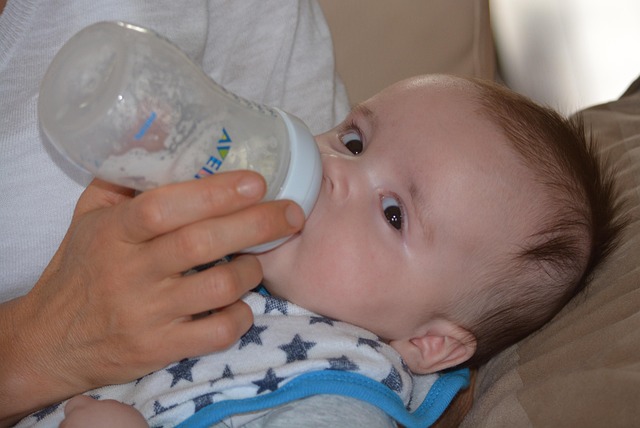
Are Baby Bottles Facing a New Safety Crisis Nationwide
Baby Bottles Recalled Nationwide for Potential Choking Hazard
The nationwide recall of baby bottles has drawn urgent attention from regulators and caregivers. The issue centers on detachable components that can dislodge, creating a choking risk for infants. Authorities have directed consumers to stop using the affected models immediately. Manufacturers are cooperating with safety agencies to identify design flaws and improve production oversight. This event highlights how small engineering missteps in infant care products can trigger large-scale consumer concern and regulatory scrutiny.
Overview of the Nationwide Baby Bottle Safety Concerns
The recent recall has become a focal point for discussions about product safety in infant care markets. Experts note that while recalls are not uncommon, the scale of this one reveals systemic issues across design, testing, and compliance processes.
Understanding the Current Recall Situation
The recall involves specific baby bottles identified as potential choking hazards due to small detachable parts. Regulatory authorities have issued alerts urging immediate discontinuation of use. Manufacturers are working closely with agencies to trace the root cause, examining both material integrity and assembly consistency. Early findings suggest that inconsistencies in component fitting during mass production may have contributed to the risk.
Historical Context of Baby Bottle Safety Issues
Past recalls show that infant feeding products often face recurring safety challenges. Over the years, shifts from glass to plastic materials improved durability but introduced new risks such as heat sensitivity and chemical leaching. Changes in global supply chains also affected quality control consistency. Regulatory standards have evolved in response, with international frameworks like ISO 8124 setting stricter safety benchmarks for child-use articles.
Identifying the Root Causes Behind the Safety Crisis
Industry specialists emphasize that understanding why these failures occur is essential for preventing future incidents. The current crisis underscores weaknesses both in design execution and in regulatory enforcement mechanisms.
Design and Material Vulnerabilities
Design flaws often stem from detachable or removable parts meant for cleaning convenience but inadvertently raising choking risks. Material degradation under repeated sterilization cycles can lead to cracking or loosening of seals. Inadequate quality control during production further amplifies these issues, resulting in inconsistent product safety outcomes even within a single batch.
Regulatory Oversight and Compliance Gaps
Safety enforcement varies widely across regions, complicating compliance for multinational manufacturers. Limited pre-market testing sometimes overlooks mechanical fatigue or thermal stress points that only appear after prolonged use. Post-market surveillance tends to rely heavily on consumer complaints rather than proactive audits, delaying detection of emerging hazards.
The Role of Manufacturers in Addressing Product Safety Risks
Manufacturers now face pressure to restore confidence through transparent corrective actions and stronger preventive systems across their supply chains.
Industry Response and Corrective Measures
Several companies have launched voluntary recalls, offering refunds or replacements while cooperating fully with regulators. Many are strengthening internal quality checks by introducing multi-stage inspection protocols at factories. Collaboration with independent labs provides third-party validation of safety claims before reintroduction into markets.
Innovation Toward Safer Product Design
Research teams are exploring non-toxic polymers resistant to heat deformation and chemical wear. Engineers are redesigning bottle structures to eliminate small detachable pieces entirely, favoring molded one-piece components instead. Smart labeling systems using QR codes now allow traceability from manufacturing line to retail shelf—an approach increasingly common across consumer goods sectors.
Implications for Consumer Trust and Market Regulation
Beyond technical fixes, restoring public trust requires visible accountability and consistent communication from both industry leaders and regulators.
Impact on Brand Reputation and Consumer Confidence
Product recalls inevitably strain relationships between brands and caregivers who rely on them daily. Transparent updates through official channels help limit misinformation and preserve credibility. Brands that publicly commit to higher safety thresholds tend to recover loyalty faster than those offering minimal responses.
Strengthening Future Safety Regulations and Standards
Regulatory bodies are reviewing testing methodologies for infant products, considering more rigorous pre-market certification requirements similar to those used in medical devices. Cross-agency cooperation is becoming vital as global supply networks blur jurisdictional boundaries, making harmonized standards essential for consistent enforcement worldwide.
Expert Perspectives on Preventing Future Crises in Infant Product Safety
Experts agree that systemic transparency and continuous evaluation throughout a product’s lifecycle are key defenses against recurring crises.
The Importance of Data Transparency and Traceability Systems
Digital tracking tools now make it possible to monitor every stage of production and distribution in real time. Rapid reporting mechanisms allow defective batches to be identified before reaching consumers. Centralized databases shared among regulators, manufacturers, and distributors improve coordination during recall events.
Advancing Research in Infant Health Product Materials and Design Ethics
Material scientists continue studying biocompatible alternatives that resist breakdown under sterilization without releasing harmful residues. Ethical design frameworks gaining traction within industrial engineering circles emphasize infant welfare over cost efficiency or market speed—a shift reflecting lessons learned from past oversights. Continuous post-market evaluation is increasingly recognized as part of responsible product lifecycle management rather than an optional afterthought.
FAQ
Q1: Why were these baby bottles recalled?
A: They were recalled because certain detachable parts could loosen during use, posing a choking hazard for infants.
Q2: What should consumers do if they own an affected bottle?
A: Consumers should stop using it immediately and contact the manufacturer for refund or replacement instructions listed on official recall notices.
Q3: How do regulators test baby bottles before market release?
A: Regulators require mechanical stress tests, heat resistance evaluations, and chemical migration analyses under ISO standards before approval.
Q4: Can sterilizing baby bottles cause material degradation?
A: Yes, repeated exposure to high heat or harsh detergents can weaken some plastics over time, leading to cracks or loose fittings.
Q5: How can parents choose safer baby bottles in the future?
A: They should look for certified products made from BPA-free materials with integrated designs lacking small removable parts, verified by reputable testing agencies like ASTM or ISO labs.