
Why Banana Bread Tastes So Good When Not Baked in an Oven
Banana Bread Tastes ’So Good’ and ’Super Moist’ if You Stop Baking It in an Oven
Banana bread has long been a comfort food classic, yet its texture and flavor depend heavily on how it’s cooked. Experts now find that skipping the oven can lead to a richer, more aromatic loaf. Moist heat from steaming or stovetop methods prevents excessive drying, allowing natural banana sugars and pectin to create a soft, almost custard-like crumb. The result is banana bread that tastes “so good” because its volatile compounds remain intact and “super moist” due to retained internal water activity. This shift isn’t just culinary whimsy—it’s chemistry in practice.
The Science Behind Banana Bread Texture
The texture of banana bread results from complex interactions among starches, proteins, and moisture. While oven baking remains traditional, alternative methods reveal how subtle changes in heat transfer reshape crumb structure and sensory appeal.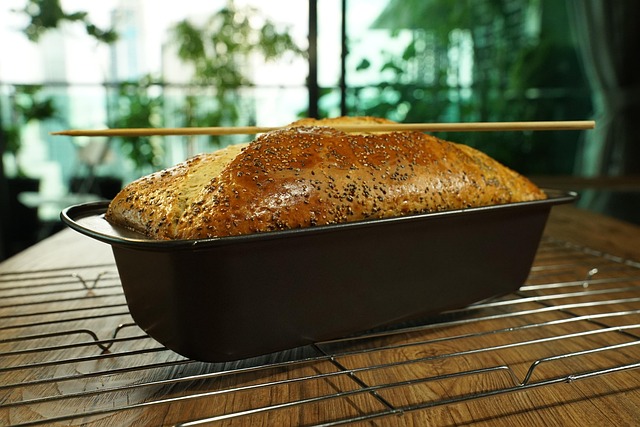
The Chemistry of Moisture Retention in Banana-Based Batters
Ripe bananas contain fructose, glucose, and sucrose along with pectin—a soluble fiber that binds water molecules within the batter. During heating, starch granules absorb this moisture until gelatinization occurs around 70–80°C. Simultaneously, egg proteins denature and form networks that trap air bubbles. If heat rises too fast, these structures collapse before setting, producing a dense loaf. Controlled moist heat allows gradual transitions so the crumb stays tender without cracking.
How Baking Methods Alter Moisture and Flavor Compounds
In an oven, convection currents dry the surface quickly, forming a crust while pushing internal moisture outward. Steaming or stovetop cooking instead maintains near-saturated humidity levels. This slows evaporation and preserves volatile esters responsible for banana aroma. Temperature gradients also control Maillard reactions—the browning process that forms caramel tones—so non-oven methods yield lighter color but deeper fruit flavor.
Alternative Cooking Methods for Banana Bread
Beyond ovens lie techniques that manipulate humidity and conduction to achieve unique textural results. Professionals exploring these options often treat banana bread as both dessert and food science experiment.
Steaming as a Controlled Heat Process
Steaming delivers consistent temperatures around 100°C with uniform humidity. Because no dry air circulates, crust formation is minimal. The batter cooks evenly as starches swell gently without losing bound water. This produces a dense yet smooth texture reminiscent of pudding cake. Moreover, since volatile compounds aren’t lost through convection exhaust, the banana flavor feels stronger and fresher even after cooling.
Stovetop Baking and Enclosed Heat Transfer
A heavy pan or covered pot mimics an oven’s chamber but relies on conduction from below rather than circulating air. As steam accumulates inside the enclosure, it creates a self-humidifying environment where condensation continuously rehydrates the surface layer. The outcome is a soft crumb with delicate sweetness and subtle caramel notes rather than deep browning. Many chefs note that stovetop banana bread retains aroma intensity longer than oven-baked versions stored at room temperature.
Flavor Development Beyond the Oven Environment
Flavor chemistry under moist heat differs dramatically from dry baking conditions. The preservation of delicate esters and slower thermal reactions redefine what “freshly baked” means in sensory terms.
Role of Volatile Compounds in Non-Oven Banana Bread
Bananas contain over 250 volatile compounds including isoamyl acetate—the molecule behind their signature scent. Lower-temperature cooking preserves these esters by avoiding rapid oxidation or breakdown above 150°C. As a result, steamed or stovetop banana bread offers brighter fruity notes with less bitterness from burnt sugars. Reduced degradation also enhances perceived sweetness since intact volatiles stimulate retronasal aroma perception during chewing.
The Interaction Between Fats, Sugars, and Proteins at Different Heat Levels
Under moist conditions, fats such as butter emulsify smoothly into the batter without separating or scorching. Sugar polymerization remains limited because temperatures rarely exceed caramelization thresholds near 160°C. Consequently, sweetness tastes cleaner while protein coagulation proceeds gradually to build tenderness instead of rigidity. This balance yields structural integrity alongside melt-in-mouth softness—a hallmark of superior non-oven banana bread.
Sensory Perception and Texture Analysis of Non-Oven Banana Bread
Evaluating non-oven banana bread involves both physical measurement and psychological response. Experts assess crumb elasticity, moisture distribution, and consumer expectations shaped by appearance.
Evaluating Mouthfeel and Crumb Structure Changes
High water activity creates a cohesive crumb that feels almost creamy when compressed between tongue and palate. Without crust contrast, tactile feedback shifts toward uniform softness—a quality many tasters equate with freshness. Even minor differences in internal humidity can alter perceived sweetness intensity since dissolved sugars reach taste receptors more efficiently in moist matrices.
The Psychological Aspect of “Moistness” in Sensory Evaluation
Consumers rarely quantify moisture directly; they infer it through softness cues or glossy surfaces reflecting light under ambient conditions. A shiny top signals richness even before tasting begins. Serving temperature further affects perception: slightly warm slices release more aromatic volatiles enhancing flavor depth whereas chilled samples feel denser but sweeter due to reduced vapor loss.
Practical Considerations for Experts Experimenting with Non-Oven Techniques
Transitioning banana bread recipes away from conventional ovens demands precise control over hydration ratios, leavening agents, and equipment calibration to maintain safety standards while achieving desired textures.
Ingredient Adjustments for Optimal Results Without an Oven
Modifying Leavening Agents and Hydration Ratios
Steam-rich environments slow gas expansion; thus reducing liquid content prevents sogginess while maintaining lift from carbon dioxide release during chemical leavening reactions. Adjusting baking soda quantities fine-tunes pH balance so bubbles stabilize before protein set occurs under moist heat conditions.
Selecting Appropriate Fats and Sweeteners
Liquid oils outperform solid fats like butter at low dry heat because they maintain elasticity within emulsions longer. Sweeteners such as honey or molasses retain hygroscopic properties that trap water molecules better than refined sugar—ideal for sustaining moistness post-cooling without sticky residues on cut surfaces.
Equipment Adaptations for Controlled Heat Applications
Using Steamers, Pressure Cookers, or Covered Pans
Each apparatus generates distinct thermal gradients influencing crumb density and flavor diffusion rates. Steamers provide gentle saturation; pressure cookers raise boiling points accelerating starch gelatinization; covered pans simulate hybrid environments suitable for small-scale testing or field kitchens lacking ovens.
Monitoring Internal Temperature for Consistent Texture Outcomes
Target internal temperatures around 95–98°C indicate full starch gelatinization while preventing overcooking that toughens proteins or weeps excess moisture upon slicing. Precision thermometers help professionals replicate results across batches ensuring consistent sensory performance regardless of method used.
FAQ
Q1: Why does non-oven banana bread stay moister than baked versions?
A: Moist heat minimizes evaporation loss so water remains bound within starch-protein matrices instead of escaping through dry convection airflow.
Q2: Can steaming affect flavor intensity?
A: Yes, steaming preserves volatile esters responsible for fruity aroma because lower temperatures reduce oxidation compared to high-heat baking.
Q3: What internal temperature ensures safe doneness?
A: Around 96°C achieves full gelatinization while maintaining structural softness without raw batter pockets.
Q4: Are there textural trade-offs when skipping the crust?
A: Absence of crust reduces contrast but enhances overall smoothness which many consumers perceive as higher quality freshness.
Q5: Which fat type gives best mouthfeel under moist cooking?
A: Neutral oils like sunflower or light olive oil sustain elasticity better than solid fats during prolonged steam exposure leading to silkier crumbs.