
What Are the Home Tool Kit Essentials Every Expert Should Prioritize
The 9 Best Tool Kits for All Your Home Repairs
A professional-grade home tool kit is more than a convenience—it’s an investment in efficiency, safety, and precision. The best kits combine durable construction, ergonomic design, and thoughtful organization. For experts handling frequent maintenance or complex projects, the right selection can mean faster results and fewer mistakes. This guide explores the core components, specialized tools, and emerging innovations that define modern home tool kit essentials, helping professionals build or refine a toolkit that meets both everyday and advanced repair needs.
The Importance of a Comprehensive Home Tool Kit
A complete home tool kit forms the foundation of any repair or renovation workflow. It supports both planned tasks and unexpected emergencies while maintaining consistency across various applications.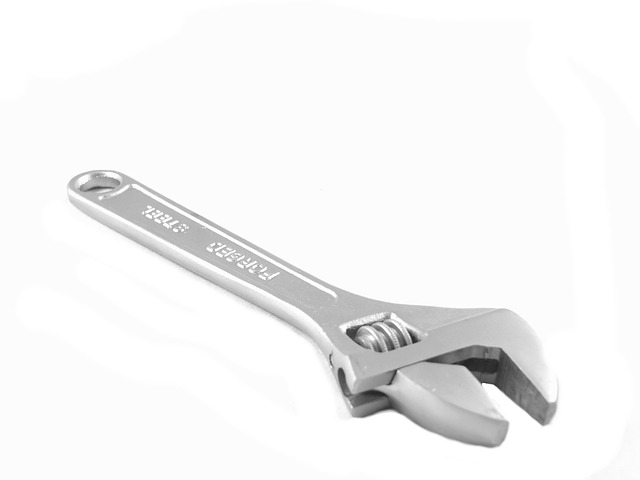
The Role of Tool Kits in Efficient Home Maintenance
A well-equipped toolkit allows experts to respond quickly to routine repairs such as tightening fixtures or replacing fittings. Having standardized tools ensures consistent results across different projects. Proper instruments improve accuracy, minimize risk, and save time—especially when handling delicate electrical or plumbing work where precision matters most.
Evaluating Quality vs. Quantity in Tool Selection
Quality always outweighs quantity. High-grade steel screwdrivers or wrenches resist wear far longer than cheaper alternatives. Overloading a toolbox with redundant tools only adds clutter and reduces mobility on job sites. Professionals typically curate their kits based on task frequency—choosing fewer but better-performing items that serve multiple purposes efficiently.
Core Hand Tools Every Expert Should Include
The reliability of hand tools determines how effectively any project progresses. A balanced selection covers fastening, cutting, shaping, measuring, and marking tasks.
Essential Fastening Tools
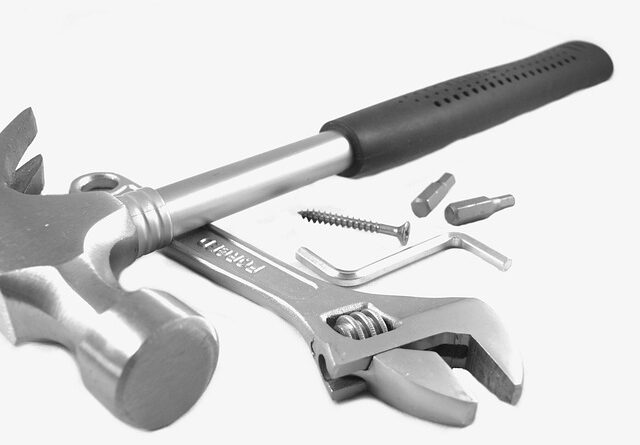
Every expert’s kit should include multiple screwdrivers—flathead for general use, Phillips for crosshead screws, and Torx for secure fittings. Adjustable wrenches handle bolts of varying sizes without the need for multiple fixed spanners. Socket sets are indispensable for mechanical adjustments, while hex keys remain essential for furniture assembly or fine mechanical work requiring torque control.
Cutting and Shaping Instruments
Utility knives with replaceable blades provide clean cuts through drywall, carpet, or insulation materials. Handsaws or hacksaws cater to woodwork and metal trimming respectively. Chisels add finesse to woodworking tasks like mortising or shaping joints where precision edges matter more than speed.
Measuring and Marking Devices
Measurement accuracy defines craftsmanship quality. Tape measures marked in both metric and imperial units suit diverse applications. Carpenter’s squares help maintain right angles during framing or cabinetry work. Levels confirm alignment before installation begins, while marking pencils or chalk lines guide accurate cuts on large surfaces.
Power Tools That Elevate Professional Results
Power tools transform productivity by combining speed with control—vital when tackling high-volume repairs or construction-grade installations.
Drilling and Driving Equipment
Cordless drills with variable speed settings adapt easily to different materials from softwood to masonry. Impact drivers deliver higher torque for demanding fastening jobs like deck building or automotive assembly. A comprehensive drill bit set compatible with wood, metal, and concrete extends versatility across trades.
Cutting Power Tools for Advanced Projects
Circular saws offer rapid cutting through plywood sheets or lumber planks with minimal effort. Oscillating multi-tools excel at trimming door jambs or sanding tight corners where larger machines cannot reach. Rotary tools fitted with polishing or grinding attachments handle detailed finishing tasks that require control over speed and pressure.
Safety Gear as an Integral Part of the Toolkit
No professional toolkit is complete without protective gear designed to prevent injury during prolonged use of sharp edges or power machinery.
Protective Equipment for Daily Use
Safety goggles protect eyes from flying debris during drilling or sawing operations. Work gloves enhance grip while preventing cuts from rough surfaces or sharp blades. Ear protection becomes vital when working near continuous noise sources such as circular saws or compressors to reduce long-term hearing strain.
Maintenance Practices to Ensure Safety Readiness
Routine inspection identifies frayed cords, loose screws, or cracked handles before they cause accidents. Cleaning after each use prevents rust formation on metal parts and prolongs operational life—particularly important in humid environments where oxidation accelerates wear.
Organizational Systems for Tool Efficiency
Tool organization directly affects workflow speed and accuracy during complex repair sequences where multiple instruments are required sequentially.
Storage Solutions That Support Accessibility
Modular toolboxes allow separation by function—fastening tools in one compartment, cutting instruments in another—for quick access on-site. Wall-mounted pegboards give instant visual confirmation of missing items before leaving a workspace. Drawer organizers inside workshop benches reduce search time during multitool operations.
Labeling and Inventory Management Strategies
Color-coded labeling simplifies identification between electrical versus plumbing tools at a glance. Digital inventory systems using barcodes help track usage frequency over time—valuable data when planning replacements for heavily used equipment like drill bits or blades.
Specialized Tools That Enhance Expert Capabilities
Beyond general-purpose instruments lie specialized devices tailored to specific trades such as electrical diagnostics or plumbing maintenance.
Electrical Repair Essentials
Voltage testers confirm circuits are safe before contact—a non-negotiable step under IEC electrical safety standards (IEC 61010). Wire strippers remove insulation cleanly without damaging copper conductors underneath. Multimeters measure voltage drops, resistance values, and current flow precisely during troubleshooting sessions on live systems.
Plumbing Repair Necessities
Pipe wrenches provide secure grip around cylindrical surfaces even under high torque loads common in pipe fitting work. Plumber’s tape seals threaded joints against leaks once tightened properly. Basin wrenches reach confined areas behind sinks where standard spanners fail due to limited clearance angles.
Maintaining Longevity and Performance of the Toolkit
Durability depends not only on material quality but also on consistent care routines practiced by professionals after every use cycle.
Cleaning and Lubrication Routines
Lubricating moving parts such as ratchets prevents friction-induced degradation over time. Cleaning methods differ: mild detergent suits rubber grips; mineral oil protects carbon steel blades from corrosion; compressed air clears dust buildup inside power drills without disassembly risk.
Storage Environment Considerations
Stable temperature conditions prevent wooden handles from warping under heat fluctuations while controlled humidity deters rust formation on ferrous components stored long-term in garages or basements lacking insulation control systems.
Emerging Innovations in Home Tool Kits
Modern technology continues reshaping how experts interact with their equipment through smart integration and sustainable design principles aligned with global manufacturing trends (ISO 14001 environmental management).
Smart Tools Integrating Digital Precision
Bluetooth-enabled measuring tapes sync readings directly with mobile devices for instant calculations on job sites—a growing feature among premium kits targeting professionals managing large-scale layouts remotely. Torque-sensing screwdrivers automatically signal when optimal pressure is reached to prevent thread stripping during assembly work involving delicate materials like aluminum casings.
Sustainable Materials in Modern Tool Manufacturing
Manufacturers increasingly adopt recycled steel alloys that match traditional tensile strength but lower environmental footprint significantly throughout production cycles reported by IEA sustainability assessments (IEA 2023). Biodegradable polymer handles now replace petroleum-based plastics across several hand-tool categories supporting eco-conscious craftsmanship initiatives worldwide.
Building a Personalized Home Tool Kit Strategy
Selecting the right combination depends heavily on project type frequency rather than brand loyalty alone; periodic evaluation keeps collections relevant amid evolving industry standards.
Assessing Individual Project Requirements
Professionals often categorize tools by discipline—carpentry demands chisels and saws; electrical work prioritizes insulated pliers; plumbing relies on adjustable wrenches—and invest proportionally according to workload distribution observed annually across service contracts.
Upgrading Over Time Through Professional Evaluation
Regular reassessment identifies outdated models replaced by newer technologies offering improved ergonomics or digital features like battery health monitoring integrated into modern cordless platforms under IEEE tool interface protocols (IEEE P2872).
FAQ
Q1: What are the most essential tools every home toolkit should have?
A: Basic home tool kit essentials include screwdrivers, pliers, adjustable wrenches, a hammer, tape measure, utility knife, level, drill set, safety goggles, and gloves for protection during operation.
Q2: How often should professional toolkits be inspected?
A: Monthly inspections help detect early signs of wear such as rust spots or loose fasteners before they compromise performance reliability during fieldwork sessions.
Q3: Are smart tools worth investing in?
A: Yes; digital measuring devices save time by syncing data automatically while torque-limiting drivers improve assembly consistency especially useful in repetitive production environments.
Q4: What storage method best preserves metal tools?
A: Keeping them inside dry containers with silica gel packs limits moisture exposure; applying light machine oil coating further prevents corrosion between uses stored indoors year-round.
Q5: How can one expand a toolkit efficiently without overspending?
A: Prioritize multi-use items first then gradually acquire specialty instruments based on recurring project types rather than impulse purchases driven solely by novelty features advertised commercially.